
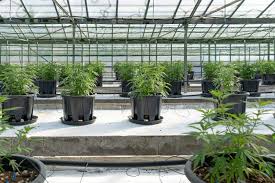
What is the importance of pH in cannabis cultivation?
pH, or potential hydrogen, measures the acidity or alkalinity of water. In cannabis cultivation, maintaining the correct pH is critical because it directly affects nutrient absorption. Studies show that Cannabis Water Treatment roots absorb nutrients most efficiently within a specific pH range—5.5 to 6.5 for hydroponics and 6.0 to 7.0 for soil-based systems. Deviations from this range can cause nutrient lockout, leading to stunted growth, discoloration of leaves, and reduced yield.
How do growers test and adjust pH?
Cannabis cultivators typically use digital pH meters or pH test kits for accurate measurements. Adjustments are made using pH up (alkaline) or pH down (acidic) solutions. Regular monitoring is crucial; research indicates that water pH can fluctuate by up to 0.3 units daily due to plant activity and nutrient interactions. A consistent pH ensures that nutrients remain available to the plant throughout its growth cycle.
What is nutrient balance, and why does it matter?
Nutrient balance refers to the appropriate proportions of macro and micronutrients in the water. Key macronutrients include nitrogen, phosphorus, and potassium, while essential micronutrients include calcium, magnesium, and iron. According to hydroponic studies, an imbalance—such as excessive nitrogen—can inhibit the uptake of other nutrients like potassium or magnesium, negatively affecting flower development and overall plant health. Maintaining a balanced nutrient solution supports strong root growth, robust flowering, and higher cannabinoid production.
How can nutrient imbalances be identified?
Growers often detect imbalances by observing visual symptoms in plants. Yellowing leaves can indicate nitrogen deficiency, while brown spots may signal calcium or magnesium issues. Regular water testing for electrical conductivity (EC) and total dissolved solids (TDS) is also critical. EC measures the concentration of nutrients, and maintaining an optimal EC range ensures that plants are neither underfed nor overfed. Statistical analyses in controlled grow environments show that cannabis grown within ideal pH and EC ranges can yield up to 20% more biomass compared to plants in imbalanced conditions.
What are the best practices for maintaining pH and nutrient balance?
Consistency is key. Growers should test water daily, adjust pH as needed, and regularly monitor EC and TDS levels. Using reverse osmosis or filtered water can reduce unwanted minerals that interfere with nutrient uptake. Documenting measurements over time allows cultivators to identify patterns and prevent recurring deficiencies. Advanced growers may also employ automated dosing systems to maintain precise nutrient ratios.
Proper pH and nutrient balance are not just technical details—they are the foundation of healthy, high-yield cannabis cultivation. By following a systematic approach, growers can maximize plant growth, avoid deficiencies, and achieve more consistent harvests.