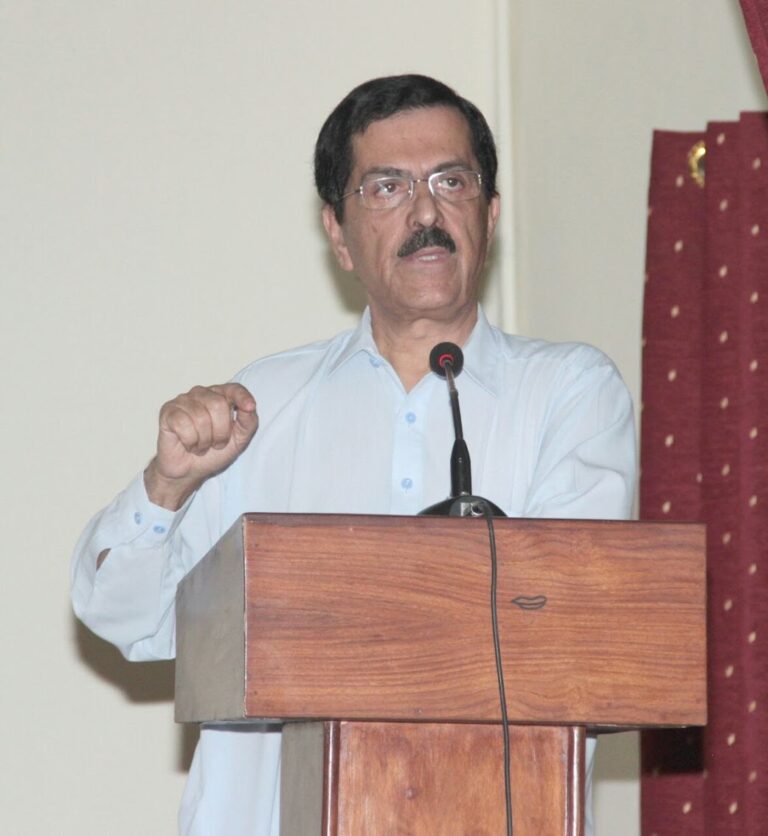
How Dr. Rodolfo Giraldi Bridges Specialty and Primary Care for Optimal Health

Dr. Rodolfo Giraldi stands out for his ability to seamlessly combine specialty care with primary care, creating a more complete and coordinated healthcare experience. Instead of treating medical issues in isolation, he focuses on understanding how different aspects of a patient’s health connect. This integrated approach helps reduce gaps in care, prevent complications, and improve long-term wellness. By blending the best of both specialties and general medicine, Dr Rodolfo Giraldi ensures patients receive well-rounded, personalized attention.

How Does He Coordinate Between Specialists and Primary Care Doctors?

One of the biggest challenges patients face is navigating between multiple doctors. Dr. Giraldi solves this by acting as a communication bridge. He collaborates closely with primary care physicians, cardiologists, endocrinologists, and other specialists to ensure every medical detail is aligned. This prevents duplicate tests, conflicting treatment plans, and confusion for the patient. His coordination helps build a smooth care pathway where everyone involved works toward the same goal—better health outcomes.

Why Is His Combined Care Model Better for Patients?

Patients often deal with complex health issues that require more than one type of expertise. Dr. Giraldi’s combined care model ensures that no part of a patient’s health is overlooked. Whether someone has chronic conditions like diabetes or heart disease, or simply needs preventive care, his approach creates continuity. This means patients receive timely interventions, accurate monitoring, and comprehensive follow-ups. Ultimately, the model reduces hospital visits, improves disease management, and delivers a more personalized healthcare experience.

How Does Dr. Giraldi Support Preventive Care?

Preventive care is a major part of Dr Rodolfo Giraldi philosophy. He believes that early detection and lifestyle management are key to long-term wellness. By working closely with primary care providers, he ensures patients receive regular screenings, health education, and lifestyle guidance. His preventive strategies help identify risks before they become serious problems, allowing patients to avoid complications and maintain a healthier life.

What Type of Patients Benefit the Most From His Approach?

Dr. Giraldi’s integrated care model benefits a wide range of patients. Individuals with chronic illnesses, those who see multiple specialists, and patients who need ongoing follow-ups experience the greatest improvements. However, even healthy individuals benefit from the added coordination and preventive oversight. His approach ensures that every patient—regardless of age or health condition—receives a clear, organized, and effective healthcare plan.

How Does His Approach Lead to Optimal Health?

By merging specialty expertise with primary care continuity, Dr. Giraldi delivers a 360-degree view of patient health. His collaborative style ensures that care is thorough, timely, and well-structured. This holistic approach gives patients confidence, clarity, and better long-term health results. Through communication, coordination, and compassion, Dr Rodolfo Giraldi truly bridges the gap between specialty and primary care for optimal health.
Dr. Zachary Lipman ’s Personalized Approach to Chronic Pain Relief

Dr Zachary Lipman is a leading specialist in chronic pain management, known for his personalized and compassionate approach. He understands that pain is not just a physical experience but also affects emotional and mental well-being. By treating each patient as an individual rather than a case number, Dr.Lipman has developed a reputation for creating tailored treatment plans that address the root causes of discomfort. His focus on holistic care sets him apart in the field of pain relief.

How does his personalized approach work?

Dr.Lipman ’s method begins with a comprehensive assessment of each patient’s condition. He takes time to understand medical history, lifestyle factors, and specific pain patterns. This thorough evaluation allows him to design a treatment plan that is customized to the patient’s needs. By combining advanced medical techniques with therapies that promote overall wellness, he ensures that pain management is effective and sustainable. His approach often integrates physical therapy, minimally invasive procedures, and guidance on lifestyle changes to support long-term relief.

What makes his approach effective for chronic pain?

Chronic pain can be complex, often involving multiple areas of the body and contributing factors. Dr Zachary Lipman personalized care addresses both the symptoms and the underlying causes, rather than just masking discomfort. By focusing on individualized strategies, patients experience meaningful improvement in mobility, function, and overall quality of life. His approach emphasizes prevention of further complications and empowers patients to take an active role in their recovery, creating a collaborative relationship that enhances results.

Why do patients trust his care?

Patients trust Dr.Lipman because of his combination of expertise, empathy, and commitment to long-term well-being. He communicates clearly, explaining treatments and expected outcomes, which helps patients feel informed and confident. His genuine concern for each individual ensures that every treatment plan is thoughtfully designed and closely monitored. This dedication has earned him recognition as a trusted professional in chronic pain management.

How does Dr.Lipman ’s work impact patient lives?

By providing personalized and compassionate care, Dr Zachary Lipman helps patients regain comfort, mobility, and independence. His approach goes beyond temporary relief, fostering lasting improvements that positively affect everyday life. For those struggling with chronic pain, his methods offer hope, understanding, and a path toward meaningful recovery.

Transforming Brain Trauma Care Through Imaging Innovation with Dr. Andrew Gomes

Imaging technology has become one of the most powerful drivers of progress in neurological medicine, and Dr. Andrew Gomes continues to focus deeply on how imaging innovation can reshape the way brain injuries are identified, evaluated, and managed. Today, imaging is not just used to confirm damage after symptoms appear. It is evolving into a precision tool that can detect subtle functional and structural imbalances with greater accuracy than ever seen before. Earlier findings, more targeted treatment pathways, and improved insight into recovery all support better care continuity for patients impacted by head trauma.

What Makes Modern Brain Imaging Techniques More Precise Today?
Dr. Andrew Gomes emphasizes that the future of brain trauma imaging is about pushing beyond traditional diagnostic limitations. The newer generation of scans can analyze microstructural injury, identify inflammatory patterns, and track dynamic changes happening inside the brain post-injury. Precision imaging allows medical teams to see damage that is not visible through older generalized methods. This level of detail supports individualized care planning, helping clinicians better determine when certain therapies are necessary, when rest is more appropriate, and how recovery is progressing internally—not just based on outward results.

Why is Early Detection So Critical in Trauma Medicine?
Brain injury can progress silently, and patients often show delayed symptoms that appear well after the initial event. This is why professionals like Dr. Andrew Gomes highlight the importance of rapid, high-resolution imaging at the early stage. The ability to identify the smallest disruptions sooner means that medical intervention can be more strategic rather than reactive. With earlier insight into tissue damage, swelling, or micro-tears, clinicians can proactively prevent long-term neurological decline and decrease potential loss of function.

How Does Innovative Imaging Support Future Research and Treatment Accuracy?
Imaging advancement is also fueling a deeper understanding of brain trauma patterns. With high-quality visual biomarkers, researchers are better able to map the origin of injury, understand brain pathways under stress, and establish technology-driven diagnostic standards. This positions future brain trauma care to be less reliant on opinion-based assumptions and more grounded in measurable neurological evidence. Dr. Andrew Gomes supports this evolution because it brings both science and compassion closer together—supporting better patient outcomes and optimized care decisions.

What is the Long-Term Impact for Patients and Providers?
With continuous progress in imaging, brain trauma evaluation is becoming more refined and less invasive. This gives providers the ability to intervene smarter and earlier. Patients benefit with safer management strategies Dr. Andrew Gomes , reduced risk of chronic complications, and a stronger chance at restoring long-term cognitive balance. As innovation continues, the value of imaging will only expand—making this transformation an essential step toward a future where brain trauma care is more accurate, personalized, and precise through every stage of treatment.

Dr Le Thu Advancing Patient Care with Expertise in Modern Medical Practices

Modern medicine continues to evolve, offering innovative treatments and improved outcomes for patients. Dr Le Thu has established a reputation for advancing patient care through expertise in contemporary medical practices. By integrating the latest clinical knowledge with patient-centered approaches, Dr Le Thu ensures that healthcare delivery is both effective and compassionate.

Commitment to Patient-Centered Care

Dr Le Thu places a strong emphasis on patient-centered care, recognizing that each individual has unique needs and concerns. By actively listening to patients and understanding their health goals, Dr Le Thu tailors treatments to provide the best possible outcomes. This personalized approach enhances patient satisfaction and fosters a trusting relationship between provider and patient.

Expertise in Modern Medical Practices

Staying current with advancements in medical research and technology is a hallmark of Dr Le Thu’s practice. Utilizing evidence-based methods, modern diagnostic tools, and innovative treatment options, Dr Le Thu is able to address a wide range of health issues with precision and efficiency. This expertise ensures that patients receive care that is both cutting-edge and grounded in proven medical standards.

Enhancing Treatment Outcomes

Dr Le Thu application of modern medical practices not only improves the accuracy of diagnoses but also enhances overall treatment outcomes. By combining advanced technology with clinical experience, patients benefit from timely interventions, targeted therapies, and effective monitoring of their health progress. This comprehensive approach reduces complications and promotes long-term wellness.

Professional Collaboration and Growth

Collaboration with other healthcare professionals is an essential aspect of Dr Le Thu’s approach. Working closely with specialists, nurses, and support staff ensures coordinated care and seamless communication throughout the treatment process. Additionally, ongoing professional development allows Dr Le Thu to continually refine skills and incorporate new medical advancements into practice.

Final Thoughts

Dr Le Thu commitment to modern medical practices and patient-centered care demonstrates a dedication to advancing healthcare standards. By integrating expertise, technology, and personalized approaches, Dr Le Thu provides high-quality care that improves patient outcomes and enhances overall well-being. This focus on innovation and compassion exemplifies how modern medicine can be both effective and humane.

Dr. Wade Newman: Redefining Smile Aesthetics with a Natural Touch

Dr. Wade Newman is at the forefront of modern dental artistry, championing an approach that marries technical excellence with a refined, natural aesthetic. In an era when cosmetic dentistry can sometimes favor dramatic transformations, Dr Wade Newman philosophy stands apart: subtlety, harmony, and long-term wellness are the hallmarks of a truly beautiful smile.

From foundational training through advanced specialization, Dr. Newman has committed himself not merely to repairing teeth but to sculpting smiles that reflect each person’s unique identity. He recognizes that a compelling smile should never feel artificial or overdone, but rather resonate with grace, individual character, and structural integrity. In his work, aesthetics and function are inseparable—teeth must not only look right, but perform seamlessly for years to come.

A key pillar of Dr. Newman’s methodology is individualized planning. Rather than offering one-size-fits-all cosmetic veneers or whitening packages, he begins by assessing facial proportions, bite dynamics, soft tissue interplay, and the patient’s lifestyle. Factors such as lip movement, cheek fullness, and jaw alignment all influence the final result. This comprehensive evaluation enables treatment plans that respect each patient’s anatomy, ensuring the final outcome blends rather than stands out.

Technological innovation plays an essential role in Dr Wade Newman practice. He has embraced advanced imaging, digital simulation, and minimally invasive techniques to visualize outcomes and guide precision work behind the scenes. By employing such tools, he can anticipate how restorations will interact with surrounding tissue, reduce the margin of error, and shorten recovery — all while keeping post treatment maintenance manageable.

Yet it’s not just about technology. Dr. Newman’s philosophy gives equal weight to material choice and artistic nuance. He carefully selects restorative materials that mimic the translucency, texture, and light-reflective qualities of natural enamel, allowing new teeth to harmonize with existing ones. Fine adjustments in shape and shade are made with an artist’s eye, ensuring that the smile appears organic — no rigid uniformity, no glaring contrast.

Beyond the technical and aesthetic domains, Dr. Newman places strong emphasis on patient education and comfort. He believes a successful smile makeover includes informed collaboration — walking patients through their options, trade offs, and expected outcomes. His practice fosters an environment of transparency, where patients feel empowered rather than overwhelmed.

Moreover, long-term health is never sacrificed for short-term beauty. Dr Wade Newman ensures that every procedure preserves or enhances supporting structures — gums, bone, bite relationships — so that the transformation endures. Maintenance, preventive care, and functional stability are integral parts of his strategy, not afterthoughts.

In reshaping how we think about smile aesthetics, Dr. Wade Newman is redefining the boundaries of cosmetic dentistry. He invites a new paradigm: one where natural beauty and technical excellence are seamlessly intertwined, and where the best compliment is that nobody realizes a transformation ever took place — they just see a confident, authentic smile.

Improving Surgical Safety with Echocardiography – Dr. Harris’ Vision

Surgical procedures, while life-saving, carry inherent risks. Ensuring patient safety during operations has always been a top priority for healthcare professionals. Dr. Austin Harris, a leading expert in anesthesiology and perioperative care, has championed the use of echocardiography to enhance surgical safety, transforming how clinicians approach complex procedures.

Echocardiography, a non-invasive imaging technique that uses ultrasound waves to visualize the heart, provides real-time insight into cardiac function. Traditionally used for diagnosing heart conditions, it has now become an essential tool in the operating room. According to Dr. Harris, incorporating echocardiography into surgical care allows anesthesiologists and surgeons to monitor the patient’s cardiovascular status continuously, detect potential complications early, and make data-driven decisions during critical moments.

One of the key advantages of intraoperative echocardiography is its ability to detect subtle changes in heart function that may not be evident through standard monitoring methods. For instance, fluctuations in blood flow, heart chamber performance, or valve activity can be identified immediately, allowing rapid intervention before complications escalate. Dr. Harris emphasizes that early detection is critical in preventing adverse outcomes, particularly in high-risk surgeries involving cardiac or thoracic procedures.

Moreover, echocardiography enhances communication among the surgical team. By providing a shared visual reference, surgeons, anesthesiologists, and nurses can coordinate interventions more effectively. Dr. Austin Harris believes that this collaborative approach reduces errors, improves response times, and ensures that each decision is informed by accurate, real-time data.

Dr. Harris also advocates for specialized training in echocardiography for perioperative teams. Proficiency in interpreting ultrasound images is essential to maximize the technology’s benefits. Through workshops, hands-on training sessions, and simulation exercises, surgical teams can develop the skills needed to integrate echocardiography seamlessly into their workflow, ultimately improving patient safety and outcomes.

Beyond the operating room, Dr. Harris’ vision includes leveraging echocardiography for preoperative assessment. By evaluating patients’ cardiac health before surgery, clinicians can anticipate potential risks and tailor anesthetic and surgical strategies accordingly. This proactive approach aligns with modern patient-centered care principles, prioritizing safety, precision, and individualized treatment plans.

In conclusion, Dr. Austin Harris commitment to integrating echocardiography into surgical practice exemplifies innovation in perioperative care. By combining advanced imaging technology with expert clinical judgment, Dr. Harris is helping to create safer surgical environments, reduce complications, and enhance patient outcomes. His vision demonstrates how technology, skill, and collaboration can transform patient care and set new standards in surgical safety.

Preventing Muscle Degeneration: Dr. Sudipta Mohanty’s Key Recommendations

As we age, muscle degeneration becomes a natural concern. Muscle mass and strength tend to decline over time, a condition known as sarcopenia, which can significantly impact daily activities and overall health. However, according to Dr sudipta mohanty BOSTON, muscle degeneration is not inevitable. With the right approach, it’s possible to prevent, delay, and even reverse the effects of muscle loss. Dr. Mohanty shares his key recommendations for maintaining muscle health and preventing degeneration as we age.

1. Prioritize Strength Training

Strength training is one of the most effective ways to prevent muscle degeneration. Dr. Mohanty emphasizes that resistance exercises are essential for stimulating muscle growth and maintaining muscle mass. Regular strength training increases the size and strength of muscles, which helps combat the natural decline in muscle tissue.

Dr. Mohanty recommends including at least two to three strength training sessions each week. These can involve lifting weights, using resistance bands, or performing bodyweight exercises like squats, lunges, and push-ups. Focusing on different muscle groups during each session ensures balanced muscle development and maintenance.

2. Maintain a Protein-Rich Diet

Nutrition plays a critical role in preventing muscle degeneration. Dr. Mohanty points out that protein is essential for muscle repair and growth. Without adequate protein intake, the body may struggle to rebuild muscle tissue after exercise, accelerating the process of muscle loss.

To support muscle health, Dr. Mohanty advises incorporating high-quality protein sources into your diet, such as lean meats, fish, eggs, legumes, and plant-based proteins like quinoa and tofu. He suggests aiming for about 1.2 to 2.0 grams of protein per kilogram of body weight per day, depending on activity level. Pairing protein with healthy fats and complex carbohydrates ensures your body has the energy and nutrients it needs for muscle maintenance.

3. Get Sufficient Sleep and Rest

Recovery is a vital component of muscle health, and adequate sleep is necessary for muscle repair. Dr. Mohanty explains that during sleep, the body releases growth hormones that aid in muscle tissue regeneration. Without enough restorative sleep, the body struggles to repair and maintain muscle mass effectively.

Dr. Mohanty recommends getting 7-9 hours of sleep each night. In addition to sleep, allowing muscles time to rest between strength training sessions gives them the opportunity to recover, repair, and grow stronger. Avoid overtraining, as this can contribute to muscle breakdown rather than growth.

4. Stay Active with Regular Physical Activity

While strength training is crucial, Dr. Mohanty also advocates for overall physical activity, including cardiovascular exercises such as walking, swimming, or cycling. Cardiovascular exercises improve blood circulation, delivering oxygen and nutrients to muscles, which helps keep them healthy.

However, Dr sudipta mohanty BOSTON advises not to rely solely on cardio. Too much aerobic activity without resistance training can contribute to muscle loss. He suggests maintaining a balance between strength training and cardiovascular exercise for optimal muscle health and overall fitness.

5. Prevent Injury through Proper Form

Injuries can accelerate muscle degeneration, so Dr. Mohanty stresses the importance of using proper technique during exercise. Incorrect form can place undue stress on muscles and joints, leading to injuries that may require extended recovery periods. These injuries can also cause muscle atrophy due to disuse.

To avoid injury, Dr. Mohanty recommends learning proper exercise techniques, possibly with the guidance of a fitness trainer, and starting with lighter weights or resistance until you build up strength. Stretching and warming up before exercise can also help prevent muscle strains.

6. Stay Hydrated

Hydration is essential for overall muscle function. Dehydration can cause muscle cramps, fatigue, and longer recovery times. Dr. Mohanty suggests drinking water consistently throughout the day, especially before, during, and after exercise, to maintain proper muscle function and support recovery.

Electrolyte-rich drinks may also help replenish fluids and minerals lost during intense workouts, particularly in hot or humid conditions.

Conclusion

Preventing muscle degeneration is possible with a holistic approach that includes strength training, proper nutrition, rest, and hydration. Dr sudipta mohanty BOSTON recommendations emphasize the importance of consistency and balance in your fitness routine. By following these guidelines, you can protect your muscles from degeneration, maintain strength, and enjoy a healthy, active lifestyle well into your later years. Maintaining muscle health is not only about preventing loss—it’s about enhancing your quality of life and staying independent as you age.

Fuel Your Heart: Dr. Fazal Panezai ’s Top Nutritional Tips for Heart Health

Heart disease continues to be one of the leading causes of death worldwide, but the good news is that many cardiovascular conditions can be prevented or managed with proper nutrition. Dr Fazal Panezai Matawan NJ, a renowned cardiovascular expert, emphasizes the importance of a heart-healthy diet in maintaining long-term heart health. His top nutritional tips focus on the foods that nourish the heart, lower cholesterol, regulate blood pressure, and reduce inflammation. By fueling your heart with the right foods, you can significantly improve your cardiovascular well-being.

1. Prioritize Healthy Fats

Dr. Panezai advocates for the inclusion of healthy fats in your diet, particularly unsaturated fats. These fats, found in foods like avocados, olive oil, nuts, and seeds, help to lower LDL (bad) cholesterol levels while raising HDL (good) cholesterol. Unsaturated fats also reduce inflammation, which can help protect the arteries and improve overall heart health. Dr. Panezai recommends replacing unhealthy saturated fats, found in processed foods and red meat, with these heart-healthy fats. This simple dietary change can help lower your risk of heart disease and promote cardiovascular function.

2. Omega-3 Fatty Acids for Heart Protection

Omega-3 fatty acids are essential fats that play a crucial role in heart health. These fats help reduce triglyceride levels, lower blood pressure, and prevent blood clotting, all of which contribute to a lower risk of heart disease. Dr Fazal Panezai Matawan NJ suggests incorporating fatty fish like salmon, mackerel, and sardines into your diet, as these are rich sources of omega-3s. For those who don’t eat fish, Dr. Panezai recommends plant-based alternatives such as flaxseeds, chia seeds, and walnuts. Consuming omega-3-rich foods regularly can significantly benefit heart health and protect against cardiovascular issues.

3. Load Up on Fruits and Vegetables

A diet rich in fruits and vegetables is one of the cornerstones of Dr. Panezai’s heart-healthy nutrition plan. These nutrient-dense foods are packed with antioxidants, vitamins, minerals, and fiber—all of which are essential for maintaining a strong heart. Leafy greens, like spinach, kale, and arugula, are particularly beneficial for their high potassium content, which helps regulate blood pressure. Additionally, berries like blueberries, strawberries, and raspberries are rich in antioxidants that help combat oxidative stress, which can damage blood vessels and contribute to heart disease. Dr. Panezai encourages eating a wide variety of colorful fruits and vegetables to ensure you’re getting a range of heart-healthy nutrients.

4. Choose Whole Grains for Cholesterol Control

Dr. Panezai emphasizes the importance of including whole grains in your diet. Whole grains like oats, quinoa, and brown rice are rich in fiber, which helps lower LDL cholesterol levels and stabilize blood sugar. Fiber also supports weight management, which is crucial for reducing the risk of heart disease. Dr. Panezai suggests replacing refined grains, such as white bread and pasta, with whole grains to improve cholesterol levels, maintain healthy blood sugar levels, and promote overall cardiovascular health.

5. Limit Sodium and Added Sugars

While including nutrient-dense foods is key to heart health, Dr. Panezai also advises limiting the intake of sodium and added sugars. High sodium intake is a major contributor to high blood pressure, which increases the risk of heart disease and stroke. Dr Fazal Panezai Matawan NJ recommends reducing your intake of processed and packaged foods, which often contain high amounts of sodium. Similarly, excessive sugar consumption can contribute to weight gain, insulin resistance, and inflammation, all of which are linked to an increased risk of heart disease. Dr. Panezai suggests cutting back on sugary drinks, snacks, and processed foods to better protect the heart.

6. Stay Hydrated

Hydration is an often-overlooked aspect of heart health. Dr. Panezai encourages drinking plenty of water throughout the day to support healthy circulation and overall cardiovascular function. Staying hydrated helps maintain blood volume, regulates body temperature, and ensures that the heart and blood vessels can perform their functions effectively.

Conclusion

Fueling your heart with the right foods is one of the most effective ways to ensure cardiovascular health for the long term. By following Dr. Fazal Panezai ’s nutritional tips—focusing on healthy fats, omega-3 fatty acids, fruits and vegetables, whole grains, and reducing sodium and added sugars—you can improve your heart health and reduce your risk of cardiovascular disease. In addition, staying hydrated is crucial for optimal heart function. With these simple but powerful dietary choices, you can nourish your heart, enhance overall well-being, and enjoy a healthier, longer life.

Pioneering Change: Dr. Robert Corkern’s Revolutionary Influence on Emergency Medicine

Dr Robert Corkern Mississippi contributions to emergency medicine have been nothing short of revolutionary. As a leader in critical care, he has reshaped how emergency medical teams respond to crises, blending technology, advanced training, and improved collaboration to create a more efficient and effective healthcare system. His work has not only improved the outcomes of individual patients but also set a new course for the future of emergency medicine, paving the way for innovations that are changing the way medical professionals approach emergencies.

One of Dr. Corkern’s key contributions is his focus on integrating real-time technology into emergency responses. In emergency medicine, every second counts, and Dr. Corkern has worked tirelessly to streamline the delivery of care through mobile platforms and electronic health records (EHR). By providing emergency medical teams with immediate access to crucial patient data—such as medical history, allergies, medications, and prior treatments—Dr. Corkern ensures that healthcare providers can make informed decisions before even reaching the scene. This early access to vital information accelerates decision-making and helps reduce errors, ultimately leading to more efficient, life-saving interventions. His work with technology has not only enhanced the way medical teams respond in emergencies but has set a new standard for the integration of digital tools in critical care settings.

Beyond technology, Dr Robert Corkern Mississippi influence extends to improving teamwork and communication among emergency medical professionals. Emergency situations are inherently high-pressure and require precise coordination among paramedics, emergency medical technicians (EMTs), doctors, and specialists. Dr. Corkern’s work has introduced new protocols that enhance collaboration and communication between these teams, ensuring that all members understand their roles and can respond cohesively. By streamlining communication in this way, Dr. Corkern has made emergency responses more coordinated and efficient, reducing delays and improving patient outcomes. His emphasis on teamwork fosters an environment where everyone involved in patient care can work together seamlessly, even under stressful conditions.

Training is another area where Dr. Corkern’s impact has been transformative. Recognizing the importance of preparedness, Dr. Corkern pioneered simulation-based training programs that replicate real-life emergency scenarios. These programs allow healthcare providers to practice their skills in controlled environments, mimicking the pressures and unpredictability of actual emergencies. By practicing in these high-stress scenarios, medical teams can develop the confidence and skills necessary to perform effectively when the stakes are high. This innovative approach to training is helping to shape the next generation of emergency care providers, ensuring they are better equipped to handle the challenges they will face in real-world situations.

Additionally, Dr. Corkern has been a champion of telemedicine in emergency care, particularly in underserved or remote areas. By enabling healthcare professionals to connect with specialists in real time through telemedicine, Dr. Corkern has expanded access to expert care and improved patient outcomes in regions that may lack immediate access to specialists. This innovation is not only making emergency care more efficient but is also ensuring that high-quality medical advice is available, regardless of a patient’s location.

In conclusion, Dr. Robert Corkern’s revolutionary influence on emergency medicine has transformed the way critical care is delivered. Through his innovations in technology, team coordination, training, and telemedicine, Dr Robert Corkern Mississippi has set the stage for a future where emergency medicine is more efficient, accessible, and patient-centered. His work continues to inspire healthcare professionals and will undoubtedly influence the field o

Dr. Fazal Panezai’s Secrets to a Sharp Mind in Later Life

As we age, maintaining a sharp mind becomes essential for living a fulfilling, independent, and active life. Dr Fazal Panezai Matawan NJ, a leading expert in neurology, has dedicated his career to understanding the brain and how we can sustain its health as we grow older. Through his research and experience, he has identified several key strategies to keep the brain sharp, enhance memory, and prevent cognitive decline in later life. These strategies are simple, practical, and effective, offering older adults the tools they need to maintain mental clarity and vitality.

1. Mental Stimulation: Keep the Brain Active

Dr. Panezai emphasizes the importance of mental stimulation in maintaining cognitive function. Just like our muscles, our brains need regular exercise to stay strong. Activities that challenge the brain, such as reading, puzzles, memory games, or learning a new skill, can significantly enhance mental sharpness. Dr. Panezai suggests incorporating these brain-boosting exercises into daily routines. These activities promote neuroplasticity, the brain’s ability to form new connections, and stimulate different cognitive processes such as memory, concentration, and problem-solving. Keeping the brain engaged is a key factor in preventing cognitive decline.

2. Physical Exercise: Fuel Your Brain with Movement

Physical activity is another crucial factor in Dr. Panezai’s approach to maintaining a sharp mind. Regular exercise is not just beneficial for the body—it also plays a critical role in brain health. Aerobic activities, such as walking, swimming, and cycling, increase blood flow to the brain, delivering vital oxygen and nutrients that support cognitive function. Additionally, exercise boosts the production of brain-derived neurotrophic factors (BDNF), which help promote the growth of new neurons and protect existing brain cells. Dr. Panezai recommends engaging in at least 30 minutes of moderate physical activity most days of the week to keep both the body and brain in optimal condition.

3. Nutrition: Feed Your Brain the Right Foods

Proper nutrition is essential for brain health, and Dr Fazal Panezai Matawan NJ advocates for a diet rich in nutrients that support cognitive function. Foods high in omega-3 fatty acids, antioxidants, and essential vitamins help protect the brain from oxidative stress and inflammation, both of which can contribute to cognitive decline. Dr. Panezai suggests incorporating foods such as fatty fish (salmon, mackerel), leafy greens, berries, nuts, and seeds into daily meals. Omega-3 fatty acids, in particular, have been shown to support memory, reduce inflammation, and improve overall brain function. Staying hydrated is also important for cognitive health, so Dr. Panezai advises drinking plenty of water throughout the day.

4. Sleep: Prioritize Rest for Brain Health

Dr. Panezai highlights the importance of quality sleep in maintaining a sharp mind. During sleep, the brain consolidates memories, clears out toxins, and restores its energy. Chronic sleep deprivation can lead to memory problems, impaired concentration, and an increased risk of cognitive decline. Dr. Panezai recommends aiming for 7-8 hours of uninterrupted sleep each night. A consistent sleep routine, limiting caffeine intake, and creating a calming bedtime environment can promote better sleep quality, ensuring that the brain has time to recharge and remain sharp during waking hours.

5. Social Connections: Engage with Others

Social interaction is another key element in Dr Fazal Panezai Matawan NJ secrets to a sharp mind. Maintaining social connections has been shown to protect against cognitive decline by providing mental stimulation and emotional support. Engaging in conversations, participating in group activities, and spending time with loved ones can all help keep the mind active and engaged. Dr. Panezai recommends staying socially connected through family gatherings, community events, or joining clubs or hobby groups. Meaningful relationships and socialization help reduce stress and promote overall mental well-being, which in turn supports cognitive health.

Conclusion

Dr. Fazal Panezai’s secrets to a sharp mind in later life are grounded in practical, evidence-based strategies that promote brain health. By engaging in mental exercises, staying physically active, eating a brain-boosting diet, prioritizing quality sleep, and maintaining social connections, older adults can preserve their cognitive function, memory, and mental clarity. These simple yet effective habits can help anyone maintain a sharp mind, even as they age. By following Dr. Panezai’s approach, individuals can enjoy an independent, active, and fulfilling life for years to come.