
The Metatrader 4 platform is one of the most popular tools for forex and CFD trading, offering extensive features for both beginners and experienced traders. While the platform is user-friendly, it is easy to make mistakes that can impact trading performance and profitability. Recognizing and avoiding these common errors is essential for building a disciplined and successful trading approach.
One of the most frequent mistakes is overleveraging positions. Many traders are tempted to use high leverage to maximize profits, but this also increases the risk of significant losses. MetaTrader 4 provides clear leverage information, and traders should always calculate position sizes carefully based on their risk tolerance and account balance. Maintaining conservative leverage levels helps protect capital during volatile market conditions.
Another common error is neglecting risk management tools. Failing to use stop-loss and take-profit orders exposes traders to unnecessary losses. MetaTrader 4 allows for precise setting of these orders at the time of trade execution. Implementing stop-losses consistently ensures that losses are limited, while take-profit orders secure gains without requiring constant monitoring of the market.
Relying too heavily on indicators without understanding market context is another mistake. While MetaTrader 4 offers a wide range of technical indicators, using them blindly can lead to conflicting signals and poor trading decisions. Traders should combine indicators with price action analysis, trend observation, and market fundamentals to make well-informed decisions rather than relying solely on automated signals.
Improper use of Expert Advisors (EAs) is also a frequent pitfall. Many traders deploy EAs without fully testing them or understanding the underlying strategy. MetaTrader 4 allows for backtesting and demo testing of EAs, which should be performed before live trading. Using untested or poorly configured EAs can result in unexpected losses and inconsistent performance.
Finally, poor organization and cluttered workspaces can slow down decision-making. Traders sometimes open too many charts, indicators, or windows, which makes monitoring the market difficult. Customizing the MT4 workspace with essential charts, indicators, and alerts improves efficiency and reduces errors.
In conclusion, avoiding common mistakes on MetaTrader 4—such as overleveraging, neglecting risk management, misusing indicators and Expert Advisors, and maintaining a cluttered workspace—is crucial for trading success. By implementing disciplined practices, testing strategies, and using the platform’s tools effectively, traders can enhance decision-making, protect their capital, and achieve consistent results in the dynamic forex and CFD markets.
The Role of Automated Trading in the Forex Market
Automated trading has become an integral part of the forex market, transforming the way traders execute strategies and manage trades. By using computer algorithms and software to conduct trades, automated trading offers advantages in speed, efficiency, and emotion-free decision-making. Understanding the role of automated trading helps traders appreciate its benefits and challenges, enabling them to make better choices about incorporating it into their forex market activities.
What Is Automated Trading?
Automated trading, often called algorithmic or mechanical trading, involves using pre-programmed software to open, manage, and close trades based on defined criteria. These programs, also known as trading bots or expert advisors, analyze market data and execute trades without human intervention, following specific rules such as technical indicators, price patterns, or time intervals.
Advantages of Automated Trading in Forex
Speed and Efficiency: Automated systems can process vast amounts of data and execute trades instantly, far faster than any human trader. This speed is critical in the fast-moving forex market where prices can change within seconds.
Eliminates Emotional Bias: Emotions like fear and greed often lead to poor trading decisions. Automated trading removes emotions from the equation by strictly following programmed rules, ensuring consistent execution of strategies.
Backtesting Capability: Traders can test automated strategies on historical data to evaluate their effectiveness before risking real money. This allows for refinement and optimization, increasing confidence in the trading approach.
24/7 Market Monitoring: Forex markets operate around the clock. Automated trading systems can monitor multiple currency pairs continuously, executing trades even when the trader is unavailable, thus capturing opportunities anytime.
Consistency: By adhering to predefined rules, automated trading maintains discipline, avoiding impulsive decisions and helping traders stick to their strategies.
Challenges and Considerations
Despite its advantages, automated trading is not without risks. Poorly designed algorithms can lead to significant losses, especially in volatile market conditions. Over-optimization during backtesting may result in strategies that perform well historically but fail in live markets. Technical failures, such as internet outages or software glitches, can disrupt trading. Therefore, regular monitoring and updates are essential.
Integration with Manual Trading
Many traders combine automated trading with manual analysis to balance the benefits of both approaches. Automated systems can handle routine executions and complex calculations, while traders apply judgment and intuition in unusual market scenarios.
Conclusion
Automated trading plays a significant role in the forex market by enhancing trading speed, consistency, and efficiency while reducing emotional bias. However, it requires careful design, testing, and ongoing management to mitigate risks. When used wisely, automated trading can be a powerful tool, complementing manual strategies and helping traders navigate the dynamic forex market with greater confidence and control.
Hedging Opportunities in the Forex Market
The forex market, with its vast size and constant movement, offers traders and investors not only opportunities for profit but also effective tools for risk management. Among the most valuable strategies available is hedging—a method used to reduce exposure to adverse price fluctuations. Hedging in the forex market allows individuals, businesses, and institutions to protect their positions and maintain stability in an often volatile environment.
Understanding Hedging in Forex
At its core, hedging involves opening a second position that offsets the risk of an existing trade. In the forex market, this usually means taking a position in a currency pair that is likely to move inversely to the current trade or portfolio. By doing so, traders can limit potential losses without completely closing out their original position.
For example, a business expecting future payments in a foreign currency may use the forex market to lock in today’s exchange rate, thereby avoiding the risk of currency depreciation. Similarly, a trader might use a short-term hedge to protect a longer-term investment from unexpected market moves.
Flexibility and Strategic Control
One of the strengths of hedging in the forex market is its flexibility. Traders can implement full hedges to eliminate risk entirely or partial hedges to limit exposure while still keeping the potential for gains. This strategic control allows market participants to customize their risk management based on market conditions, investment goals, and individual risk tolerance.
Tools for Effective Hedging
Forex offers a variety of tools that support hedging strategies. These include spot contracts, forward contracts, options, and correlated currency pairs. Many trading platforms allow for real-time execution of multiple positions, making it easier to manage a hedge efficiently and transparently.
Moreover, the round-the-clock nature of the forex market allows for continuous risk assessment and timely hedge adjustments, which is especially beneficial during volatile economic events or geopolitical shifts.
Enhancing Risk Management
Hedging is not about eliminating risk entirely, but rather about managing it smartly. When used effectively, it becomes a vital part of a trader’s or investor’s overall strategy. By limiting potential losses, hedging helps maintain capital stability and improves the ability to make rational, long-term decisions.
Conclusion
Hedging opportunities in the forex market offer a practical and powerful approach to managing risk. With the right knowledge and tools, traders can navigate volatility more confidently, protect their positions, and build a more resilient trading strategy.
How Geopolitical Events Impact the Forex Market
The foreign exchange (forex) market is a global platform where currencies are traded, enabling international trade, investment, and economic interactions. However, it is also highly sensitive to external factors, especially geopolitical events. From political unrest to economic sanctions, these events can create significant volatility in currency values. Understanding how such events influence the forex market is crucial for traders and businesses involved in currency exchange.
The Role of Uncertainty in Forex Volatility
Geopolitical events often generate uncertainty. Events such as elections, international conflicts, or policy changes can disrupt market confidence. For instance, when a country faces political instability, its national currency is often affected due to decreased investor confidence in the economy. Uncertainty leads to speculative trading, causing a surge or drop in currency demand, ultimately driving volatility.
Economic Sanctions and Trade Agreements
Economic sanctions can strain relations between nations, indirectly influencing forex trading. When a country faces restrictions on exports or imports, its economic performance declines, which can weaken its currency. Conversely, trade agreements or international collaborations can strengthen the currency by boosting trade confidence.
For example, when nations enter agreements aimed at promoting trade or reducing tariffs, businesses see the potential for growth, positively influencing the forex market. Such events have the power to drive demand for the involved currencies, pushing their values higher.
Military Conflicts and Global Stability
Military conflicts can have both direct and indirect effects on the forex market. These events often lead to disruptions in global trade routes and supply chains, leading to fluctuating commodity prices. As a result, currencies tied to commodity exports, like oil or gold, may experience sharp value shifts. Additionally, countries involved in conflicts often spend significant resources on military actions, putting pressure on their economic stability and weakening their currency.
Central Bank Responses to Geopolitical Risk
Central banks play a crucial role in managing their country’s monetary policy during geopolitical events. To mitigate risks, they often adjust interest rates, inject liquidity, or intervene in currency markets to stabilize their economies. Forex traders closely monitor these responses, as they can create opportunities for short-term trading or carry long-term implications for currency valuation.
Currency markets thrive on stability and predictability, but geopolitical events can disrupt these factors significantly. By staying informed and understanding the ripple effects of such events, forex traders can better anticipate market movements, manage risks, and seize opportunities effectively.
MetaTrader 4 for iPhone: Unlocking the Power of Trading on the Go
MetaTrader 4 (MT4) has long been a go-to platform for traders worldwide, and with the iPhone app, it offers a seamless mobile trading experience. Whether you’re at home, in the office, or on the go, download mt4 for iPhone provides you with full access to the financial markets, ensuring you never miss an opportunity to trade.
Streamlined Trading Experience
MetaTrader 4 for iPhone offers a smooth and intuitive user interface, making it easy for both beginners and seasoned traders to navigate. The app allows you to manage trades, place orders, and monitor your portfolio from anywhere with just a few taps on your phone. This level of flexibility ensures that you’re always in control, regardless of where you are.
Advanced Tools and Features
Even though it’s a mobile app, MT4 for iPhone doesn’t compromise on functionality. You can access a full suite of trading tools, including advanced charting options, real-time price data, and technical indicators. This enables you to conduct thorough market analysis and make informed decisions while on the move. MetaTrader 4 (MT4) for iPhone is a powerful and convenient mobile trading solution that allows traders to stay on top of the markets while on the go. Whether you’re a seasoned trader or a beginner, MT4 for iPhone gives you full access to all the tools and features you need for successful trading. Here’s how to download MetaTrader 4 on your iPhone:
Real-Time Notifications and Alerts
Stay on top of market changes with customizable price alerts. With MT4 on your iPhone, you’ll receive instant notifications when specific price levels are hit, ensuring that you can act quickly when market conditions change.
Conclusion
MetaTrader 4 for iPhone unlocks the power of trading on the go. It combines advanced features with the convenience of mobile access, allowing you to stay connected and in control of your trades no matter where life takes you. Download MT4 for iPhone today and experience the freedom of trading on your terms!
A Guide to MetaTrader 4’s Market Watch and Navigator Tools
MetaTrader 4 (MT4) has solidified its place as one of the most widely used trading platforms globally. Its user-friendly interface and powerful tools make it an invaluable resource for traders of all levels. Two essential features that contribute to its functionality are the forex market Watch and Navigator tools. Understanding these sections is key to navigating the platform effectively and enhancing your trading experience.
What is the Market Watch Tool?
The Market Watch window is like the heart of MT4’s trading interface. It provides an at-a-glance view of the market’s dynamic movements. Found on the left side by default, this tool serves as a quick access point for viewing real-time price quotes and essential financial symbols.
Here’s what you can do with Market Watch:
• Track Price Movements: Monitor the “Bid” (selling price) and “Ask” (buying price) of chosen assets in real-time.
• Access Charts: Right-click on any asset symbol, and you’ll have the option to open a detailed candlestick or line chart for visual analysis.
• Keep it Customizable: By right-clicking, you can hide, add, or filter the instruments you want displayed, tailoring Market Watch to your preferences.
• Economic Calendar Integration: The Market Watch window often includes times of breaking economic news and key statistical updates.
This feature is particularly appreciated for its ability to allow users to act quickly in response to rapid market fluctuations.
What is the Navigator Tool?
While Market Watch keeps you informed about the markets, the Navigator helps you stay organized. Accessible on the left panel, the Navigator tool consolidates all your crucial trading elements in one place. Imagine it as your toolbox, storing everything you need for seamless trading activity.
Navigator serves multiple roles, such as:
• Account Management: It lets you switch quickly between multiple trading and demo accounts. Simply expand the “Accounts” dropdown and choose the active account you’d like to use.
• Access Indicators: Locate your favorite technical indicators, custom indicators, and scripts all in one organized section.
• Expert Advisors (EAs): Do you use automated trading strategies? Your Expert Advisors are neatly stored in the Navigator, making them easy to apply or fine-tune.
• Custom Scripts: If you’ve programmed unique trading tools, like alerts or triggers, the Navigator conveniently houses these scripts for easy deployment.
Having the Navigator at your fingertips ensures your trading process stays efficient, particularly when managing different accounts or automated tools.
Using Market Watch and Navigator Together
The real magic happens when these tools are used in tandem. Whether you are scouting for entry points on a chart (using Market Watch) or switching between trading accounts (using Navigator), these features simplify an otherwise complex process. Their joint functionality lets traders streamline decision-making while staying on top of real-time market activity.
The better you familiarize yourself with these tools, the more confident and informed your trades will be. MetaTrader 4’s fine balance of simplicity and depth makes it a must-have for serious traders looking for both flexibility and efficiency.
Forex Market Liquidity: Why It Matters for Traders
Liquidity is one of the most critical yet often overlooked factors when trading in the forex market. For a trading environment to function effectively, liquidity plays a pivotal role in determining costs, risks, and trading opportunities. But what exactly is market liquidity, and why should traders care about it? Below, we break down the essentials of liquidity and its significance for forex traders.
What is Forex Market Liquidity?
Liquidity in the forex market refers to the ease with which a trader can buy or sell a currency pair without significantly affecting its price. The forex market is the most liquid financial market in the world, with an estimated daily trading volume exceeding $7.5 trillion, according to the Bank for International Settlements (2022). This exceptional liquidity enables forex to operate 24/5, giving traders the ability to enter and exit trades nearly instantaneously.
However, it is important to note that liquidity isn’t uniform across all currency pairs. Major pairs like EUR/USD or USD/JPY generally exhibit higher liquidity due to their global demand and greater trading activity. Conversely, exotic pairs such as USD/TRY or EUR/ZAR are less liquid, which comes with its own set of challenges.
Why Does Liquidity Matter for Traders?
1. Lower Transaction Costs
Higher liquidity means tighter spreads—the difference between the bid and ask price. For example, major currency pairs like EUR/USD often have spreads as low as 1 pip, making them cost-effective for traders. On the other hand, trading less liquid pairs could mean wider spreads, increasing transaction costs.
2. Efficient Trade Execution
A liquid market ensures that orders are executed promptly, even during volatile periods. This is particularly crucial for day traders and scalpers relying on speed to lock in profits.
3. Reduced Market Volatility
While a certain level of volatility is essential for profit opportunities, excessive instability due to low liquidity can increase risk. Less liquid markets are prone to sudden price spikes, which can amplify losses for traders.
4. Improved Risk Management
With high liquidity, traders can enter and exit positions at predictable prices, aiding in better risk management strategies. Stop-loss and take-profit orders are also more reliable when markets are liquid.
The Takeaway
Understanding forex market liquidity is fundamental to developing a robust trading strategy. By focusing on highly liquid currency pairs and analyzing market conditions, traders can minimize costs, ensure efficient trades, and reduce exposure to unnecessary risks.
Prioritize liquidity when selecting currency pairs, and you’ll be better equipped to maximize your trading potential.
Creating and Testing Custom Indicators on MetaTrader 4 for Windows
Custom indicators have become a vital tool for traders looking to enhance their performance on metatrader 4 for windows . MT4 is widely acclaimed for its flexibility, thanks in part to its ability to create and implement custom indicators. Whether you’re a seasoned trader or new to this platform, learning how to create and test your own indicators can be the key to personalizing your trading experience and gaining a strategic edge.
Here’s how you can seamlessly create and test custom indicators on MT4 for Windows.
Understanding Custom Indicators
Custom indicators are algorithm-based tools developed to analyze price activity and identify potential trading signals. While MT4 already comes with a variety of built-in indicators, custom indicators allow users to tailor their trading strategies to specific needs or preferences.
Developing these indicators requires a clear understanding of MQL4 (MetaQuotes Language 4), a programming language built specifically for MetaTrader platforms.
Steps to Create a Custom Indicator
Step 1: Opening MetaEditor
MetaEditor is the integrated environment within MT4 where you can create or modify indicators, scripts, and Expert Advisors. To start, open your MT4 platform and click Tools >MetaQuotes Language Editor.
Step 2: Coding the Indicator
Once you’ve opened MetaEditor, create a new file. Select “Custom Indicator” from the available options and give it a name. MT4 generates a basic template for you to build upon. From here, you’ll need to modify the code to reflect your desired indicator logic. This might include formulas for moving averages, RSI levels, or custom orders calculated based on market conditions.
Step 3: Save and Compile
After completing your code, save the file and click the “Compile” button. This step validates your code and ensures there aren’t any errors. If successful, your new indicator will appear under the “Indicators” folder in the Navigator window on the MT4 platform.
Testing Your Indicator
Step 1: Importing to the Chart
Drag and drop your newly-created indicator onto a chart in MT4. Adjust any required input settings to see how the indicator reacts to live market conditions.
Step 2: Running Tests with Strategy Tester
To thoroughly validate your custom indicator, use the built-in Strategy Tester in MT4. With historical data, you can measure the effectiveness of your indicator under multiple scenarios. Identify any inaccuracies and fine-tune the code as needed for higher reliability.
Final Thoughts
Creating and testing custom indicators in MetaTrader 4 for Windows allows traders to elevate their market analysis with personalized tools. By mastering this skill, you can align platform capabilities directly with your trading strategies for a competitive edge in dynamic markets.
How to Trade Efficiently Using MetaTrader 4 for Windows
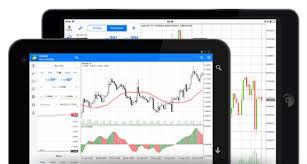
metatrader 4 for windows has firmly established itself as one of the most versatile and user-friendly trading platforms for both new and experienced traders. Whether you’re charting currency pairs, analyzing price trends, or executing trades, MT4 provides an intuitive interface and a suite of powerful tools to help improve your trading efficiency. For traders using Windows, the platform offers smooth operation and customization that allows you to fine-tune your trading strategy.
This article will guide you through essential tips to trade efficiently using MetaTrader 4 for Windows. From customizing the interface to using advanced analytical tools, these steps will help you elevate your trading game.
Why MetaTrader 4 is Ideal for Trading
Before we jump into the how-to, it’s worth highlighting why MT4 is such a popular platform. Known for its reliability, MT4 supports multiple asset classes, including forex, commodities, and indices. Its features include real-time quotes, customizable charts, and a range of technical indicators that allow for precise analysis and efficient execution of trading strategies.
For Windows users, MT4 offers seamless compatibility, enabling high-speed operation and a stable environment for trading. Now, let’s look at how you can optimize your trading efficiency on this robust platform.
Steps to Trade Efficiently on MetaTrader 4 for Windows
1. Customize Your Workspace for Focused Trading
The way you set up your trading workspace on MT4 can significantly impact your efficiency. MT4 allows extensive customization, enabling you to create a layout that works for your trading style.
• Adjust Charts: Add candlestick, bar, or line charts to monitor price movements effectively.
• Color Coding: Assign specific colors to different chart components for quick readability.
• Save Templates: Create and save chart templates to apply your favorite indicators or trading tools quickly.
By tailoring your MT4 workspace to your needs, you’ll be able to focus on analyzing markets and executing trades without distractions.
2. Master Built-in Analytical Tools
One of MetaTrader 4’s greatest strengths is its wide range of analytical tools. To trade efficiently, familiarize yourself with the platform’s built-in features, such as trendlines, Fibonacci retracement tools, and moving averages.
• Use Technical Indicators: Add oscillators like RSI and MACD to your charts to identify overbought or oversold market conditions.
• Multi-timeframe Analysis: View multiple timeframes to understand both the short-term and long-term market trends.
• Overlay Charts: Use multiple assets in the same window to analyze correlations and adjust your trading positions accordingly.
These tools will streamline your market analysis, making your trading decisions more informed and goal-oriented.
3. Set Smart Alerts and Notifications
Trading efficiently means minimizing missed opportunities without being glued to the screen all day. MT4’s alert system is a lifesaver here.
• Price Alerts: Configure alerts to notify you when an asset reaches a specific price level.
• Email Notifications: Sync MT4 with your email to receive alerts even if you’re away from your computer.
• Sound Alerts: Customize sound notifications for key trading events such as order execution or sudden price movements.
This feature helps you stay one step ahead in fast-moving markets while maintaining a balanced approach to trading.
4. Automate with Expert Advisors (EAs)
MetaTrader 4 allows you to automate your trading strategy with Expert Advisors, or EAs. These are scripts that execute trades on your behalf based on predefined rules.
• Save Time: Automate repetitive tasks such as opening and closing trades.
• Reduce Emotional Bias: Automation allows for logical decision-making, eliminating emotional errors.
• Optimize Strategies: Test your configured EAs against historical data to refine their effectiveness.
While trading automation requires caution and regular monitoring, it can be a powerful tool to enhance efficiency when used appropriately.
5. Leverage the One-Click Trading Feature
Quick response times can make all the difference in dynamic markets. MT4’s one-click trading allows you to place or close trades instantly without opening the order window.
• Activate the feature from the settings menu.
• Use it for high-volatility periods when speed is critical.
This feature ensures that you never miss a trading opportunity due to delays in execution.
Final Thoughts
Trading efficiently is not just about analyzing markets but also about optimizing the tools at your disposal. With its wide range of features and user-friendly interface, MetaTrader 4 on Windows helps traders elevate their performance.
By customizing your workspace, mastering analytical tools, setting smart alerts, automating with EAs, and making the most of one-click trading, you can make better-informed decisions and respond quickly to market changes.
Put your new knowledge into action and experience the benefits of streamlined, effective trading on MetaTrader 4 for Windows.