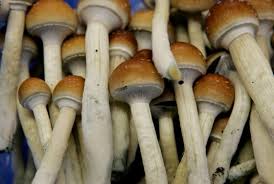
Microdosing has moved from fringe discussions into mainstream wellness and productivity conversations. Yet, when it comes to magic mushrooms for microdosing, facts are often mixed with assumptions. Below is a professional, data-informed FAQ-style overview that separates evidence from speculation, presented in a statistics-blog format for clarity and readability.
What Does Microdosing Mean in Scientific Terms?
Microdosing refers to the practice of consuming very small, sub-perceptual amounts of a psychoactive substance with the intention of avoiding hallucinations. Survey-based research indicates that a growing number of adults report interest in microdosing for focus, creativity, and emotional balance. However, clinical literature emphasizes that “sub-perceptual” effects are subjective and vary widely across individuals.
Fact: Microdosing is defined by intent and effect, not by a universally agreed measurement.
: Microdosing guarantees identical outcomes for everyone.
Is There Scientific Evidence Supporting Benefits?
Recent observational studies and self-reported datasets suggest perceived improvements in mood and attention among some users. For example, large international surveys show that a significant percentage of respondents believe microdosing improves productivity. However, controlled trials often find modest or placebo-comparable effects.
Fact: Some studies show perceived benefits, often influenced by expectation.
: Microdosing benefits are fully proven by large-scale clinical trials.
Does Microdosing Improve Mental Health?
This is one of the most common claims. While ongoing research is exploring the role of psychedelic compounds in mental health treatment, microdosing specifically remains under-studied. Mental health professionals caution that individuals with anxiety disorders or mood instability may respond unpredictably.
Fact: Research is ongoing, and results are not yet conclusive.
: Microdosing is a substitute for professional mental health care.
Is Microdosing Risk-Free?
Public perception often frames microdosing as harmless due to the small quantities involved. Statistics from health agencies and academic reviews highlight that even low exposure can carry risks, including sleep disruption, increased anxiety, or interaction with medications.
Fact: Low dose does not automatically mean zero risk.
: Microdosing is completely safe because it involves minimal amounts.
Are All Magic Mushrooms the Same?
Chemical composition can vary significantly depending on species, growing conditions, and storage. This variability makes consistency difficult to measure in both research and real-world use.
Fact: Potency and composition are not standardized.
: All magic mushrooms produce identical effects when microdosed.
What About Legal and Ethical Considerations?
From a global perspective, legal status varies widely by country and region. Statistical reports show increasing policy discussions, but legality should never be assumed. Ethical considerations also include informed decision-making and public health implications.
Fact: Legal frameworks are complex and location-dependent.
: Growing popularity equals legal acceptance.
Final Data-Driven Perspective
From a statistics and research standpoint, microdosing with magic mushrooms sits in a gray area between anecdotal enthusiasm and emerging science. While interest continues to rise, evidence remains mixed, and s often outpace verified data. A responsible, informed approach requires separating personal reports from peer-reviewed findings and recognizing that absence of strong evidence is not evidence of guaranteed benefit.